
27.10.2026, 13:00
The Wolf Among Us Remastered Review
A brilliant way to either revisit or catch up on a neo-noir mystery that still deserves its flowers.
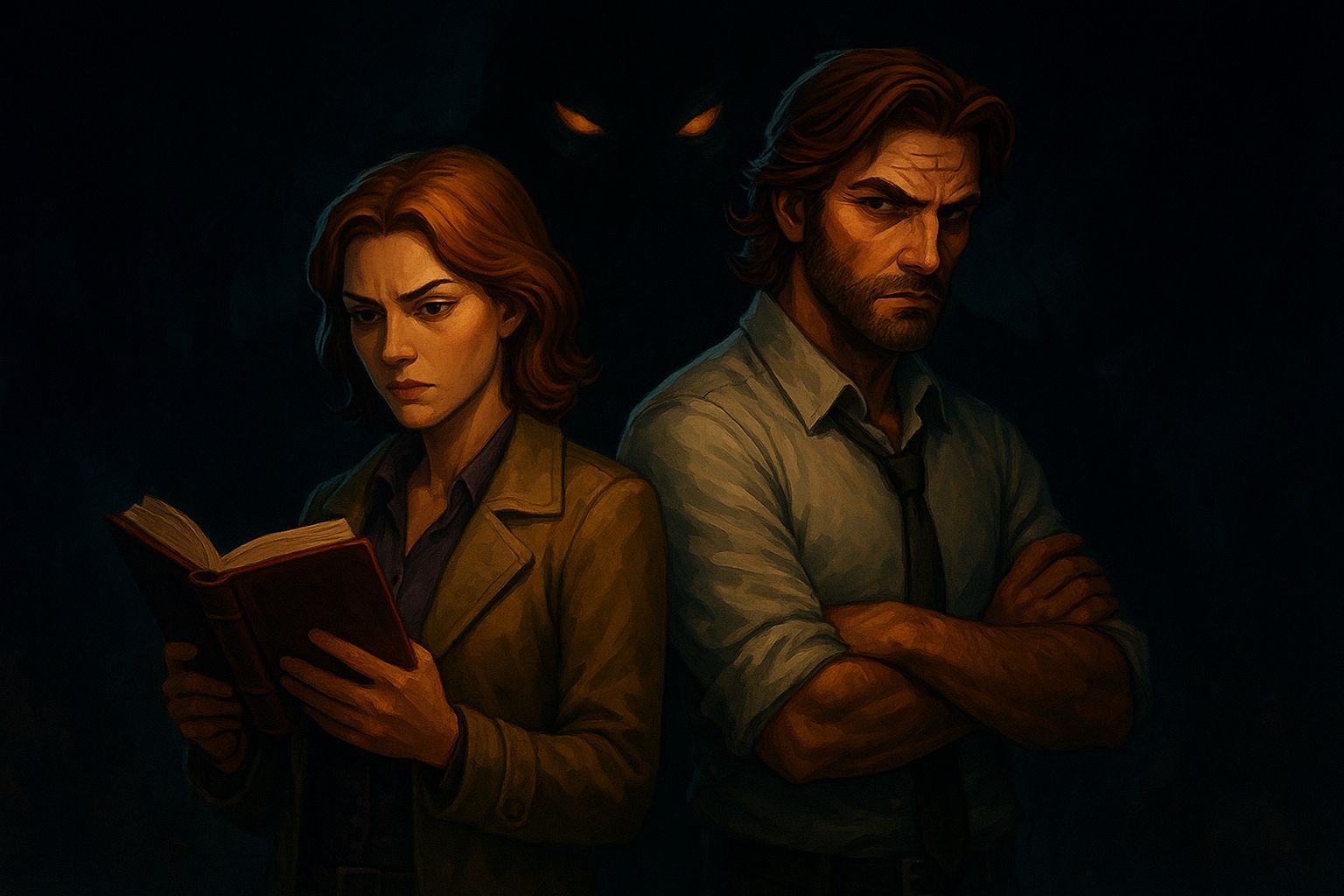
The Wolf Among Us made waves upon its initial release in 2013, with its intense performances, captivating atmosphere, and sharp dialogue drawing comparisons to top-tier television dramas. Telltale Games managed to create a neo-noir narrative that has continued to resonate over the years. Now, as anticipation builds for a sequel, the game has been revitalized with an impressive remaster that enhances its visuals and introduces a variety of behind-the-scenes features. However, certain lingering issues, such as the original’s stiff and sometimes eerie animations, prevent the remaster from achieving a truly definitive status. Nevertheless, the core story remains compelling, with the updated visuals adding to its dark undertones. For newcomers, The Wolf Among Us serves as a thoughtful adaptation of Bill Willingham’s acclaimed graphic novel series, Fables, which depicts a hidden world where fairy tale characters live alongside humans in the fictional Fabletown, a New York suburb. This prequel, set two decades prior to the main events, allows players to step into the role of Sheriff Bigby, known as the Big Bad Wolf, as he investigates a strange and gripping murder case. With a severed head found at his doorstep and scant evidence—just a ribbon and an engraved ring—Bigby must rely on his instincts and powers of deduction to catch the killer swiftly. The stakes are high, as the integrity of their secretive community hangs in the balance. Adding to the tension, Bigby faces distrust from his own community due to his violent past as a storybook villain. He must navigate this skepticism while seeking assistance from familiar figures such as Snow White, The Little Mermaid, and Bufkin from The Wizard of Oz. As he delves deeper into the investigation, he encounters a labyrinth of societal issues including class struggles, poverty, and abuse of authority, making for an intensely engaging experience. In his role as Bigby, players will experience a mix of investigative dialogue and exploration. Much of the gameplay involves engaging in conversations from a third-person viewpoint, where choices must be made quickly as time ticks away. Players can confront witnesses who may be withholding information, either coercing them or resorting to violence depending on their moral compass. The dialogue cleverly incorporates elements from its fairy tale origins without becoming cheesy; terms like Witching Well and Magic Mirror blend seamlessly into emotionally charged exchanges, showcasing the strength of the writing and the performances. One notable aspect of the gameplay is the way decisions impact interactions. Players receive notifications indicating that characters will remember choices made during conversations, adding weight to the decisions. For instance, failing to follow through on a promise may lead to repercussions the next time those characters meet. Thus, the game is not merely about unraveling a mystery; it also explores Bigby’s struggle to transcend his villainous roots and assert himself as a protector and lawman. Players have the freedom to determine Bigby’s approach, whether through intimidation or empathy. This moral ambiguity enriches the narrative, allowing players to understand the motivations of Fabletown's residents, regardless of their actions. In addition to dialogue, players will guide Bigby through shadowy environments—such as dive bars and lavish offices—searching for clues to further the investigation. Ethical dilemmas also arise during these segments, prompting choices about how to interact with the surroundings and characters. As the boundaries of right and wrong blur, maintaining a virtuous persona becomes a challenge, especially when provoked. The temptation to resort to violence to extract information is ever-present, complicating Bigby's journey. The game also features action-packed sequences requiring players to engage in quick time events, adding a layer of excitement. These moments involve intense actions such as grappling with adversaries and navigating perilous situations, with missed opportunities leading to potential game overs. Fortunately, the game includes frequent checkpoints to keep the action flowing smoothly, and the varied animations during these sequences are both captivating and occasionally gruesome. The remastered edition continues the original’s structure, comprising five episodes of approximately two hours each, all bundled together. Generally, the choices players make feel significant, maintaining a steady pace throughout most of the game. However, the penultimate episode stumbles as the narrative slows down, with characters reiterating their perspectives unnecessarily. By the fourth episode, players are likely to feel confident about the unfolding mystery, making the sudden decrease in momentum somewhat jarring. While it’s understandable that significant changes were avoided in this remaster—preserving the integrity of the original’s story—it can be frustrating to spend extra time rehashing information when the pacing had been so effective prior. Nonetheless, the engaging conversations and character interactions still provide enjoyment, and the conclusion manages to redeem the slower segments. The remaster’s visual enhancements further elevate the experience, as each location is crafted with care, reflecting the unique characteristics of its inhabitants. Bigby’s sparse apartment mirrors his solitary nature, while the local bar exudes a cozy yet gritty atmosphere that fits its clientele. The redesigned environments feature more intricate details, from upholstery to artifacts, enriching the storytelling. Familiar locations, such as Aunt Greenleaf's apartment, now appear even more whimsical, while the notorious Puddin ‘n’ Pie maintains its stylish yet seedy charm. Despite the remarkable attention to detail in the remaster, some technical issues persist. Character movements can appear stiff, and Bigby’s animations while interacting with clues may come off as awkward or robotic. While these issues were somewhat forgivable in the original, they become more noticeable in the remastered version. However, they do not detract significantly from the overall polish of the game.