
20.03.2026, 12:00
Crimson Desert Shines with Its Unique Identity
Crimson Desert offers a distinctive blend of charm and flaws, making it a standout title worth exploring.
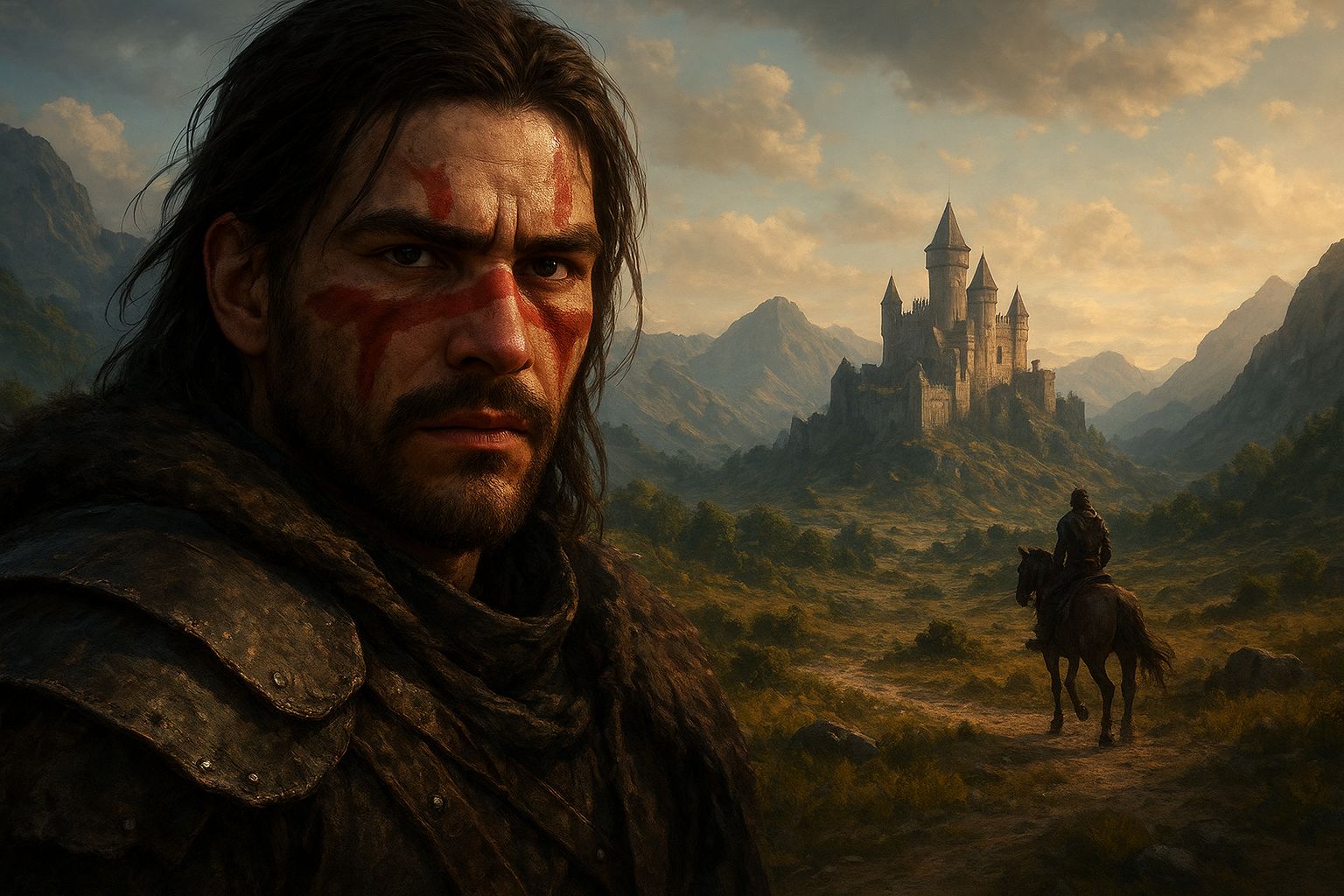
Let’s be clear: I have a deep appreciation for Crimson Desert. Despite receiving a mixed reception from critics, there’s an abundance of captivating elements within the game. The sheer volume of content may even be overwhelming at times, which is part of why our review is still in progress—technical glitches, challenging difficulty spikes, and bugs that hinder progress have all contributed to this. Crimson Desert is an interesting concoction of various open-world elements, acting as both a tribute and a compilation of popular gaming tropes. It merges influences from acclaimed titles such as Dragon’s Dogma, The Witcher 3, Assassin’s Creed, and even Grand Theft Auto V into a unique experience. For anyone familiar with major games over the past two decades, the inspirations are unmistakable. However, even the harshest critics must acknowledge that Crimson Desert possesses a distinctive character. While much of the pre-launch discussion centered on its borrowings from other titles, it became evident that the final product is unlike anything else in the gaming landscape. The gameplay introduces a level of friction that may be jarring for those coming from polished experiences typical of major studios. It offers numerous interactions and ways to navigate the game world, providing players with surprising freedom, yet the complexity can often be frustrating. The ambition is commendable, yet the execution feels a bit rough around the edges. The audience that Crimson Desert attracts is likely to be divided; some will see it as a flawed masterpiece reminiscent of Dragon’s Dogma, while others may view it as a cumbersome misstep akin to Two Worlds. Much of this will hinge on the combat system, which draws from traditional fighting games rather than typical RPG mechanics. Players must memorize button combinations and master timing to unleash their character's abilities, contrasting sharply with the standard light and heavy attack systems found in other RPGs. This focus on immediate, hands-on combat distinguishes it, yet it may also alienate those who struggle to adapt to its demands, especially when faced with the more challenging boss encounters. Unfortunately, these boss battles often feel more like an exercise in frustration, featuring enemies that can absorb damage and counter your actions quickly, leaving little room for error. The healing mechanics, particularly the use of soup, illustrate the game’s broad system that could benefit from streamlining. Players quickly discover that crafting low-health food items is largely ineffective, as lower-tier foes inflict minimal damage. In contrast, major enemies often don't allow enough time for recovery, making healing feel futile. There’s an overwhelming amount of content that, at times, feels unnecessary, as if the game is burdened by too many ideas that don’t cohesively mesh. This could be a sign of a development process that struggled to manage its scope effectively. A successful game often hinges on knowing what to cut and what to keep, and it seems that Crimson Desert may have suffered from an inability to do so. Despite its many borrowings, the game feels as though it emerged from a reality where the modern action RPG had yet to evolve. It serves as a reminder of a time when gaming conventions were less standardized, offering a refreshing but chaotic experience. In essence, Crimson Desert’s unique selling point is simply that it is what it is—Crimson Desert. Visually, the game is a marvel. Pearl Abyss has crafted a stunning, hyper-realistic world, with intricate details and impressive lighting that elevates the experience beyond its competitors. It demands a lot from player hardware, making it a visually rich but technically demanding experience. This ambitious project comes with a hefty price tag, a risky endeavor for a studio delving into a genre where they lack prior experience. While its ties to Black Desert Online are subtle, the game's existence in this form—flawed yet breathtaking—offers value to its audience. It's worth noting that the crossover between MMO enthusiasts and those who prefer solitary gaming experiences may not be extensive. This business decision by Pearl Abyss to target a new audience rather than cannibalize their existing player base suggests that the tagline “from the makers of Black Desert Online” may not resonate as strongly. While comparisons to heavyweights like The Witcher 3 and Red Dead Redemption are valid, my thoughts drift towards games like Kane and Lynch 2: Dog Days, Pentiment, and Dragon’s Dogma 2—titles that embrace their individuality and remain committed to their unique visions.