
21.05.2026, 11:38
Ex-Creative Director of Splinter Cell Discusses Challenges of Realistic Graphics in Stealth Games
Clint Hocking, the former creative director behind the iconic Splinter Cell series, highlights how advancements in realistic lighting and shadow technologies pose challenges for both players and developers in modern stealth gaming.
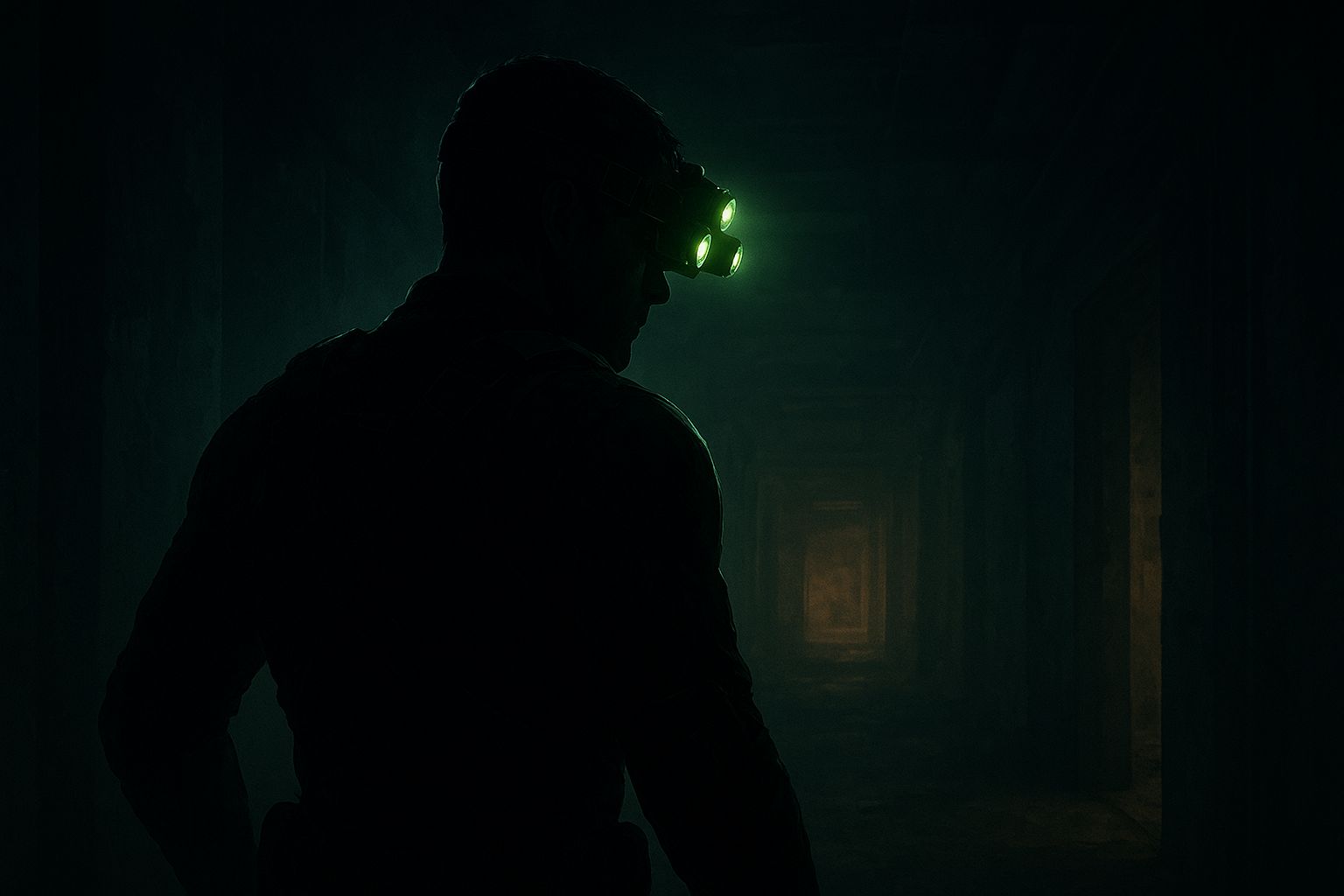
Clint Hocking, known for his role as the creative director on Tom Clancy's Splinter Cell: Chaos Theory released in 2005, has expressed concerns regarding the impact of advanced lighting and shadow techniques on contemporary stealth games. In a recent interview with FRVR, he shared his perspective on how these technological advancements complicate gameplay for both enthusiasts and developers within the genre. Hocking pointed out that the evolution of rendering technology has led to lighting that is far more realistic, which in turn creates challenges for stealth mechanics. He noted, "One of the difficulties with modern stealth games is that the sophistication in the rendering has made lighting so much more realistic." Reflecting on the earlier stealth titles, he remarked that their simpler, baked lighting systems made it easier for players to understand the environment. "Those old school stealth games had clean and readable lighting, making it very clear for players," he explained. He emphasized that with the introduction of more complex lighting effects, distinguishing between light and shadow becomes increasingly difficult, complicating the player's ability to assess safe versus dangerous areas. Hocking elaborated on the issue by mentioning the challenges posed by lighting direction. He compared the lighting in stealth games to that of theatrical performances, where lighting is intentionally dramatic. "These places are often lit to be very realistic but not necessarily set up for stealth gameplay aesthetics," he said. He acknowledged that bridging the gap between realistic lighting and effective stealth gameplay is a significant challenge, especially given that many in the industry have dedicated years to achieving greater realism in their designs. In related news, Ubisoft has confirmed that work on the anticipated Splinter Cell remake is still ongoing, despite recent layoffs at the Toronto studio responsible for its development. The company announced in February that 40 positions were eliminated as part of a broader cost-cutting initiative, which has seen thousands of employees leave the organization over recent years. Ubisoft reassured fans that the status of the Splinter Cell project remains unchanged. While details about the game itself are scarce and no release date has been announced, there was some encouraging news last year when the original director, David Grivel, returned to the project after a brief departure from Ubisoft in 2022. Hocking, meanwhile, departed from Ubisoft in February after leading the development of Assassin's Creed Hexe, the next installment in the renowned series that promises to explore themes of witchcraft.