
07.09.2026, 11:54
Tarae: The Unbound Aims to Differentiate Itself with East Asian Folklore in an Action RPG Landscape
The developers of Tarae: The Unbound share insights on how their South Korean action RPG intends to stand out.
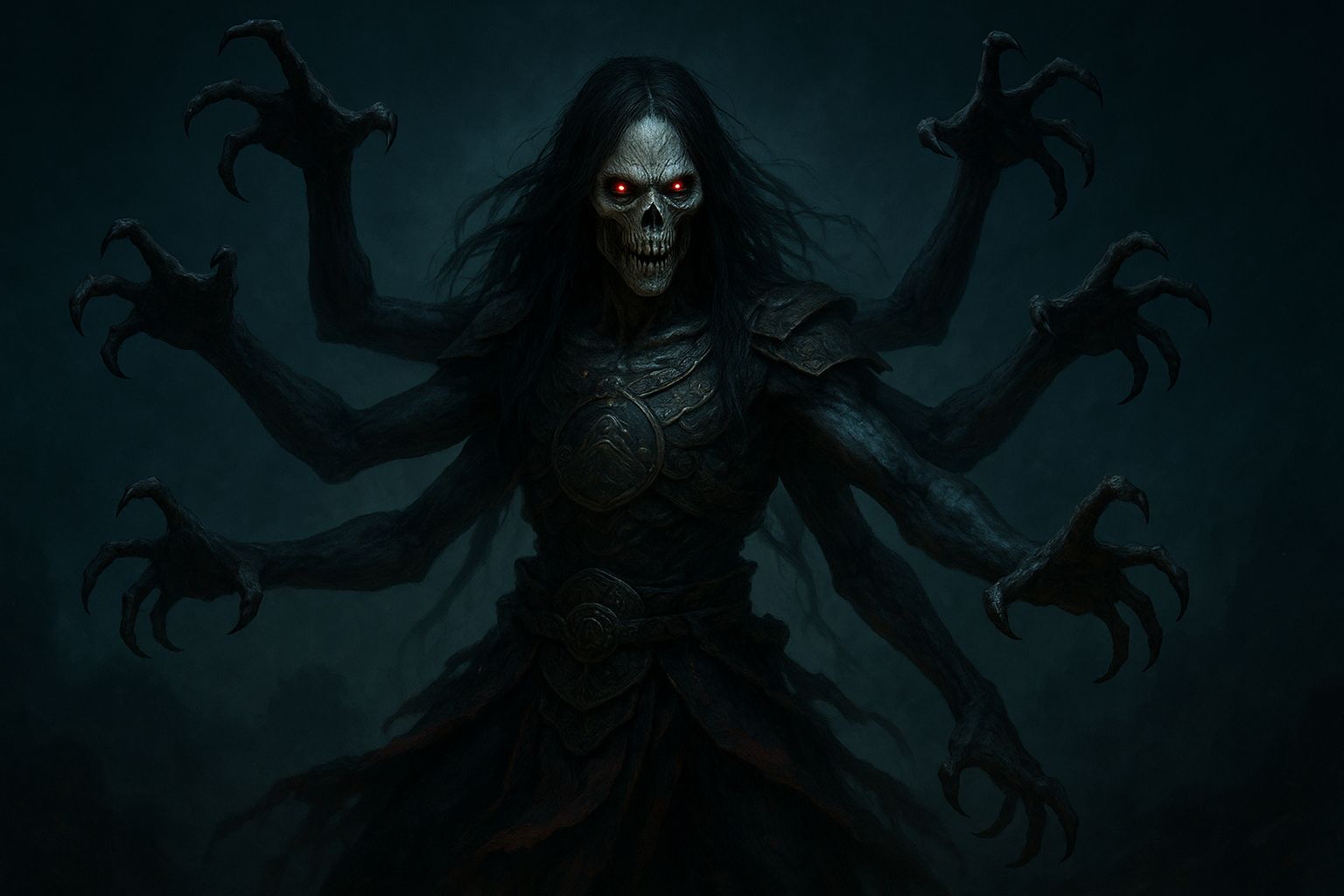
At gamescom, one of the standout titles I had the opportunity to experience was Tarae: The Unbound, a fresh action RPG crafted by the South Korean team at Boundary and brought to life by Krafton, the company behind PUBG. While there are elements in Tarae that will resonate with fans of titles like Diablo, the developers are betting that its distinct visual style and cultural backdrop will offer something refreshing for genre enthusiasts. Set in East Asia during the 15th to 17th centuries, Tarae: The Unbound takes a significant departure from the medieval European settings typical of many action RPGs, including Diablo. The game embraces Eastern aesthetics and folklore, which is evident in the character classes, enemy designs, and the richly detailed environments. The boss encounters, in particular—over 80 set for launch—exemplify this unique aesthetic, blending influences from Chinese, South Korean, and Japanese cultures to create designs that are unlike anything seen in action RPGs before. As an admirer of Diablo, I found myself quickly adjusting to the mechanics of Tarae: The Unbound. My fingers instinctively found the number keys for abilities, while my thumb navigated the space bar for dodging, and my mouse clicked away to dispatch waves of enemies with satisfying combat. The ability to zoom the camera out for a broader view of the battlefield also enhances the gameplay experience, allowing players to anticipate incoming foes from a distance. Loot is plentiful, and players can explore various skills and crafting options for their builds. Despite these familiar elements, an interview with Boundary's CEO Inyoung Koo, art director Byung Ho Park, and creative lead Myung Sang Ryu revealed that the studio believes Tarae: The Unbound has much more to offer. The game features six distinct classes, each inspired by Eastern traditions: the Samurai, a melee warrior; the Tiger Hunter, who utilizes firearms and traps alongside animal summons; the Manshin, a Korean shaman skilled in spiritual channeling; the Geomancer, known for area damage; the Kunoichi, a stealthy ninja; and the Warfiend, a brawler. The narrative unfolds across six acts, each containing three to four chapters, presented in a linear format rather than an open world, ensuring a structured storyline. "The playstyles are very different," the developers emphasized. "Choosing a different class will result in a distinctly different experience." Once players complete the campaign with one character, they will have the option to switch to any class during the endgame without needing to start over. The developers highlighted a sense of balance in combat, largely attributed to the god system, which includes eight different deities that can either aid or obstruct players during battles. This dynamic adds an extra layer of strategy as players navigate their way through the storyline. The theme of yin and yang is prevalent throughout, symbolizing the balance of opposing forces in both the narrative and combat mechanics. Boundary explained, "We drew inspiration from East Asia, aiming to capture its most beautiful aspects, with Buddhist cosmology serving as a foundation — the six realms of reincarnation." These realms include human, Asura, beast, hungry ghosts, and hell, with players traversing these realms during the endgame to engage in epic confrontations. The challenge for Boundary and Krafton lies in persuading Western gamers to step away from their preferred action RPGs and explore something new, especially considering the commitment required. However, the developers are optimistic about the appeal of their creation. "The market is saturated with action RPGs, primarily set in a medieval Western context," they stated. "Tarae presents an Eastern dark fantasy experience with its own unique allure. The combat balance is distinct from existing RPGs, and we invite players to give it a try." Looking ahead, Boundary plans to deliver ongoing content through a seasonal model, introducing new characters each season, while also committing to an annual DLC that will expand the game world. "We are in this for the long haul," they affirmed. Tarae: The Unbound is set to launch on PC and consoles in 2027.