
07.11.2026, 13:00
Gundam Assemble: A Closer Look at Mobile Suit Gundam's Miniatures Game
Explore the features of the Gundam Assemble Starter Set.
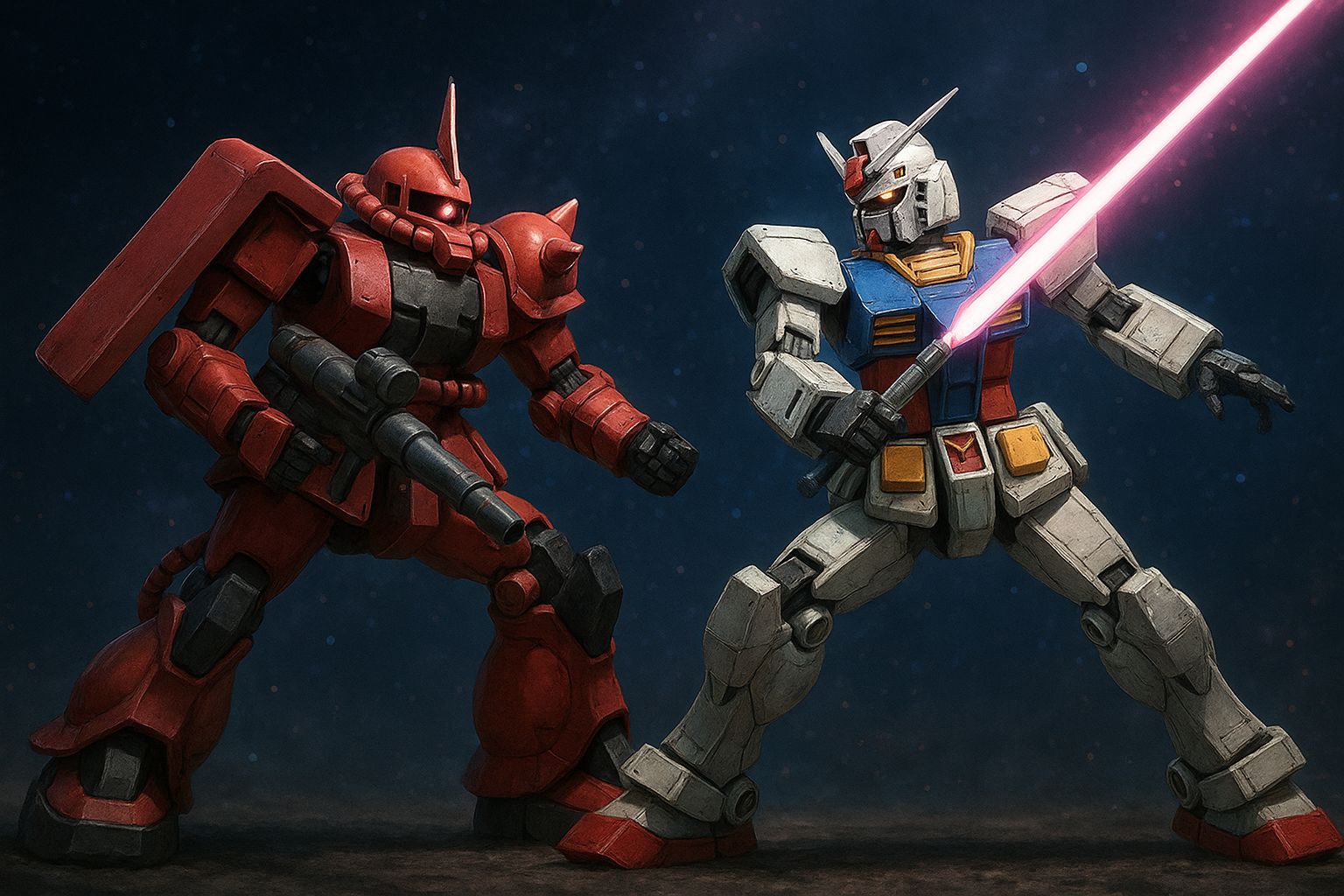
The beloved Mobile Suit Gundam franchise expands into the realm of tabletop gaming with Gundam Assemble, a fresh miniatures game. This new offering was introduced alongside the Gundam Card Game, giving fans an exciting double reveal. Set to launch this fall, Gundam Assemble will also see a range of expansion packs and additional sets rolling out into early next year. After spending some time with the starter set, it's clear that this game promises a fun and accessible experience compared to other miniature games currently available. One of the significant challenges with miniature wargames often lies in the assembly and painting process. Luckily, Gundam Assemble alleviates these concerns. Similar to the gunpla that the franchise is famous for, this game features components that can be easily cut out and snapped together. Although these pieces are smaller than traditional gunpla, they require only a few parts to complete each mini Gundam unit. It is advisable to use proper cutting tools, as these miniatures demand precision. They are visually appealing and exhibit a good level of detail, resembling the familiar designs fans love. While assembly is straightforward with snap-together parts, it does sacrifice some of the customization options that many players may desire. Different releases offer various poses or variants of Gundam units, such as the RX-78-2 Gundam in the starter set executing a beam saber attack, while the variant in the Paint Pack showcases it with a beam rifle. This design choice makes it easier for newcomers or those who prefer to jump straight into painting and gameplay. Painting miniatures can be daunting, and Gundam Assemble presents its own challenges with intricate details, particularly on weapons and mech headpieces. Perfectionists may find themselves spending more time painting than actually playing. However, the mech units in this universe are relatively simple to paint, primarily featuring monochromatic schemes with some decorative elements. Fortunately, there’s no need to deal with skin tones, which can complicate the painting process. Starting with a primer can save considerable time, especially for units like the RX-78-2 or Wing Gundam Zero. Personally, I prefer a straightforward painting approach due to limited free time, focusing more on gameplay than the artistic side of the hobby. I still aim for a visually appealing finish, reminiscent of my childhood experiences painting Black Templar Space Marines. Alternatively, I often opt for pre-painted miniatures in other games like HeroClix and Star Wars X-Wing. While it's possible to skip painting altogether, putting in the effort can enhance the overall experience. The starter set includes a painting guide within its instruction manual, making it accessible for those new to the hobby. Aside from specific paints available in the Gundam Assemble Paint Pack, any water-based acrylic model paint can be used effectively, allowing for some creative mixing. Overall, painting has become more manageable, especially if you do a bit of research before diving in. As I mentioned, my primary interest lies in gameplay, and Gundam Assemble offers a surprisingly smooth experience in its matches. While I’m not a regular in the miniatures tabletop scene, I occasionally engage in casual games such as Marvel United. The most significant hurdle is finding friends willing to learn the game mechanics and commit time for matches. This has been a sticking point for me and my friends, as we often discuss wanting to play Warhammer 40K Kill Team but hesitate to dive in fully due to the time commitment of building and painting. Gundam Assemble simplifies the process since players only need six mech units, as opposed to a large army of units. Although there are still numerous tokens for various effects and objectives, the Gundam Assemble timeline significantly streamlines turn-taking. It consists of ten rounds, representing one phase, where players place their mech units' tokens into designated spots to track turns. For instance, the Gundam Vidar starts on round one of the timeline, indicating it takes its turn before moving to round two, where RX-78-2’s token is placed. As units perform actions, their tokens advance down the timeline, adding an extra layer of strategy reminiscent of turn-based tactics games like XCOM. The timeline’s placement away from the battlefield helps keep the game organized. Typically, matches involve players going through two phases or 20 rounds, aiming to accumulate as many victory points as possible through various actions. Points can be earned by rescuing or destroying garrisons, defeating enemy units, or controlling objectives at the end of each phase. Each mech unit's turn offers a few options: advance, primary action, command abilities, and tactics cards. Advancing is simply moving up to three hexes in any direction, although climbing up terrain costs two hexes. Descending does not incur a penalty, and units with a Hover ability bypass terrain penalties entirely. Primary actions move the unit’s token down the timeline and involve options like attack, dash, energize, and rescue, each with specific timeline costs. For instance, RX-78-2’s Beam Saber attack costs three timeline rounds. The other primary actions generally cost two rounds. Dashing allows a unit to move two extra hexes and can deal damage with Char’s Zaku’s Char Kick ability. Energizing grants an energy token for future abilities, while rescuing allows players to retrieve friendly garrison tokens for victory points. Certain units, like RX-78-2, gain strength from rescuing garrisons, as indicated by its command ability. Command abilities are another option during a mech unit’s turn, often requiring an energy cost or specific conditions. Tactics cards can also be utilized once per turn before being discarded, with players starting with three and drawing more at the end of each phase. These cards can provide various benefits, from repairing a mech to executing new attacks or countering enemy actions. While it may seem overwhelming at first, most players primarily advance and perform a primary action as options narrow. Lastly, we must address the combat mechanics in Gundam Assemble.